Before You Buy Another Thing, Check What You Already Own
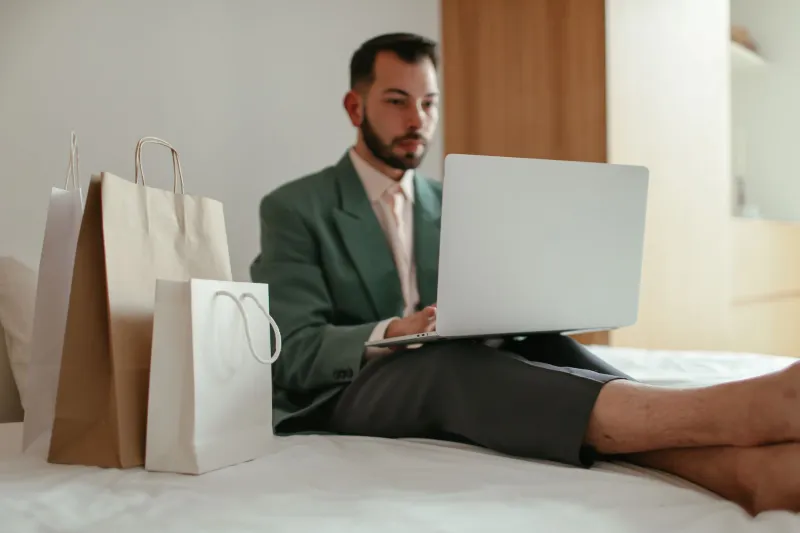
Somewhere between the third "Add to Cart" of the evening and the moment the confirmation email lands in your inbox, a lot of us have started asking a question that would have felt almost radical a few years ago: Do I actually need this?
Not just "can I afford it" or "will it arrive by Thursday" — but a deeper, more inconvenient question. Do I already have something like this sitting in a drawer, folded under a shelf, or buried behind the holiday decorations in the garage?
For a growing number of American shoppers, that question is leading somewhere interesting. Instead of heading straight to a product page, they're doing a sweep of what they already own first. Retailers are noticing. Behavioral economists are writing about it. And people who've tried it are, weirdly, kind of evangelical about the whole thing.
So what's going on?
The Stuff We Forgot We Bought
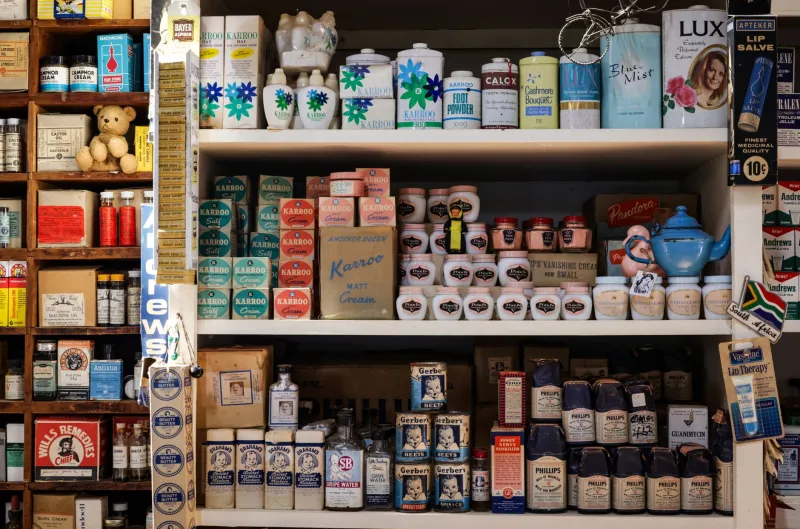
Here's an uncomfortable truth: most American households are sitting on a small fortune of underused or completely forgotten items. A 2023 survey found that nearly 60% of respondents admitted to purchasing something they later discovered they already owned. Duplicate kitchen gadgets. Unopened books. Exercise equipment that became a very expensive coat rack.
This isn't a character flaw — it's largely a byproduct of how easy shopping has become. When you can order something in thirty seconds at midnight and have it on your porch by noon, the friction that used to slow down impulse buys has basically evaporated. The result? Homes full of stuff, and brains that can't quite keep track of all of it.
The closet audit — or home audit, or whatever you want to call the practice of inventorying what you own before buying something new — is partly a response to that overflow. It's people hitting a wall and deciding to actually figure out what they're working with.
Why People Are Actually Doing This Now
Financial pressure is the obvious driver. Inflation hit household budgets hard over the past couple of years, and even as prices stabilize, people are still feeling cautious. When every dollar counts a little more, the idea of spending $40 on something you already own (somewhere) stops feeling acceptable.
But money isn't the whole story. There's a sustainability angle that's picking up real momentum, especially among younger shoppers. The environmental cost of constant consumption — packaging waste, carbon emissions from shipping, landfill overflow from discarded goods — is something more people are factoring into their decisions. Shopping your own home is, at its core, the most sustainable shopping you can do. Nothing ships. Nothing gets packaged. Nothing new gets manufactured.
There's also a psychological dimension that's harder to quantify but very real. A lot of people are just... tired of stuff. The pandemic reshuffled priorities in ways that are still shaking out, and one lasting shift seems to be a genuine reassessment of what ownership actually means. Having more doesn't feel like winning the way it once might have.
How to Actually Do a Home Audit (Without Losing Your Mind)
The concept sounds simple. The execution can feel overwhelming if you try to do it all at once. The trick is to stay practical and targeted.
Start with a trigger, not a category. When you feel the urge to buy something specific — say, a new set of mixing bowls, a rain jacket, a desk lamp — that's your cue to go looking before you go shopping. Don't try to audit your whole house on a random Saturday. Let your shopping impulses guide where you look.
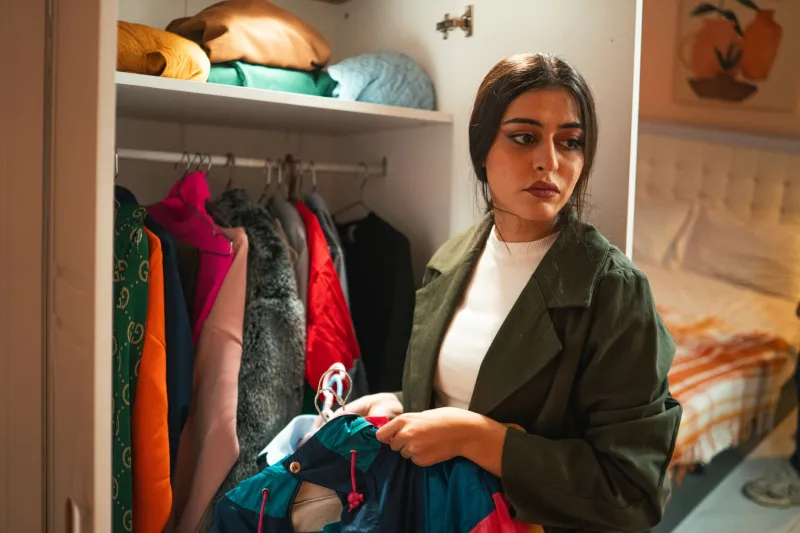
Get physical with it. Pull things out. Open boxes. Look behind things. Our spatial memory is notoriously bad at accounting for objects we haven't seen in a while. If it's out of sight, it might as well not exist — which is exactly how you end up with three of the same thing.
Take a photo inventory of problem areas. If you have a shelf, cabinet, or closet that consistently swallows things whole, photograph what's in there and keep it on your phone. Next time you're about to order something and you can't quite remember if you have one, you've got receipts.
Apply a "good enough" filter. This is the mental shift that separates a genuine audit from just procrastinating on a purchase. Ask yourself: does what I already own solve the problem, even if it's not the exact thing I was eyeing? A perfectly functional bag that's been sitting unused for two years might serve just as well as the new one you were about to order.
How Retailers Are Reading the Room
Here's where it gets interesting from a commerce perspective: smart retailers aren't fighting this trend. They're working with it.
Some brands are leaning into repair services, offering to fix or refurbish their own products rather than just selling replacements. Others are building trade-in programs that acknowledge the reality that customers already own a version of what they're selling. The resale market — platforms built on the idea that someone else's old stuff is your new thing — has exploded, and major retailers have started integrating secondhand options directly into their own shopping experiences.
The underlying message is a shift in how brands are positioning value. It's less "buy this new thing" and more "invest in something that lasts." Whether that's genuine sustainability philosophy or smart marketing is a fair debate — but either way, it's meeting shoppers where they actually are right now.
The Bigger Shift Happening Here
Shopping your home before shopping a storefront isn't just a budgeting hack. It's a small but meaningful rewiring of the consumer reflex. The default used to be: feel a want, satisfy the want, buy the thing. What's emerging is something more like: feel a want, investigate the want, figure out the best path to satisfying it — which sometimes means buying something new, and sometimes means rediscovering something you already have.
That's not anti-shopping. It's actually smarter shopping. And for anyone who's ever opened a package and thought, wait, didn't I already have one of these? — it's a habit worth building.
The stuff is already in your house. Sometimes the best deal you'll ever find is the one you don't have to order at all.