Don't Close That Door Yet: What Every Smart Shopper Should Do the Moment a Package Arrives
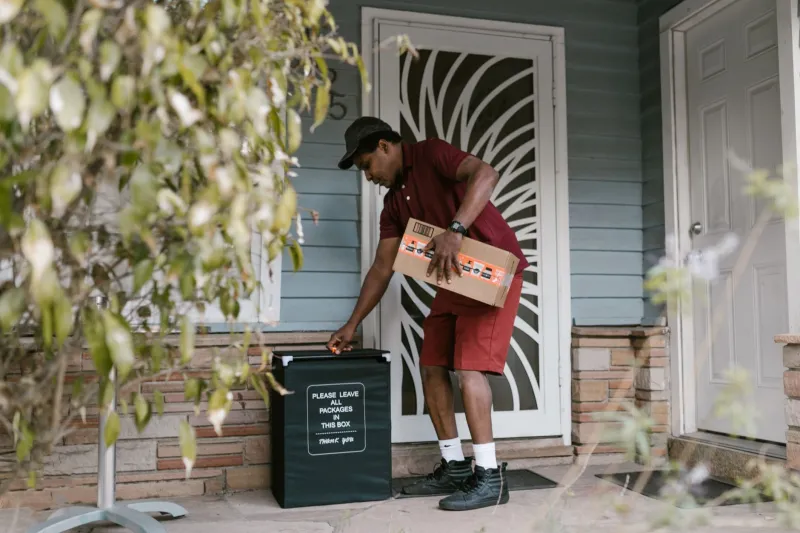
There's a certain ritual to getting a package delivered. You hear the knock, or you spot the box on your porch, and there's that little rush of excitement before you even touch it. But here's the thing most shoppers skip entirely: the 60 seconds between picking up that box and closing your front door are genuinely some of the most important moments in the whole shopping experience.
Once the door shuts and you're inside, the clock on certain protections starts ticking—and in some cases, it's already ticking fast. Carriers, sellers, and even credit card companies have specific windows for reporting damage and filing claims. Miss them, and you might be stuck eating the cost of something that was never your fault to begin with.
So before you tear into that box over the kitchen trash can, here's what actually matters.
The Outside of the Box Tells a Story
Before you open anything, take a real look at the packaging itself. Crushed corners, deep dents, tears along the seams, or moisture stains aren't just cosmetic. They're evidence. A box that looks like it went three rounds in the back of a delivery truck probably didn't protect whatever's inside as well as it should have.
Look for these specific red flags:
- Crushed or collapsed edges, especially on the top or sides
- Wet spots or watermarks, which can indicate the package sat in rain or got stored improperly
- Resealed tape, which sometimes means a package was opened and repackaged somewhere along the route
- Punctures or holes, even small ones, which can signal rough handling
If you see any of these, don't just shrug and head inside. Get your phone out.
Document Everything Before You Open It
This is the step most people skip, and it's also the one that saves the most headaches later. Take photos of the box from multiple angles—all four sides, the top, the bottom, and any area that shows visible damage. Do this before you remove any tape or open any flaps.
Why? Because once you open it, it becomes much harder to prove that damage happened in transit rather than during your own unboxing. A photo of a crushed corner on an unopened box is clean, clear evidence. A photo of a broken item inside an already-opened box is easier for a seller or carrier to dispute.
If you have a video function on your phone, a quick 20-second walkthrough of the package before opening is even better. It creates a timestamp and shows the full condition in one continuous shot.
Opening Smart: What to Watch For Inside
Once you actually get into the box, slow down. Resist the urge to yank everything out at once. The way items are packed—or not packed—can also be part of your claim if something went wrong.
Check the internal padding first. Is there enough of it? Is the product nestled securely, or was it rattling around with a single sheet of tissue paper for protection? Under-packing is a real issue with some sellers, and if the item arrived damaged because it wasn't adequately protected, that's relevant information.
As you pull each item out:
- Check for cracks, chips, or breaks on anything fragile
- Test electronics immediately if possible—don't wait until the next morning
- Verify the item matches what you ordered, including color, size, and model number
- Look for missing parts or accessories that should have been included
If something is off, photograph it right there, still in the box if you can manage it. Context matters.
Knowing Who to Call (And How Quickly)
Here's where it gets a little complicated, because who you contact depends on what went wrong.
Visible damage from shipping? Contact the carrier first—UPS, FedEx, USPS, or whoever delivered it. Most carriers have a damage claim process, and they want to know about it quickly, often within 24 to 48 hours of delivery.
Wrong item or missing parts? That's a seller issue. Go back to wherever you ordered from—whether that's a marketplace, a direct retailer, or a shop like DZY Shop—and initiate a return or exchange through their process. The sooner you do it, the smoother it goes.
Damaged but not sure who's responsible? Start with the seller. Good retailers will often work with you even when the damage happened in transit, because they care about the customer experience and have their own relationships with shipping carriers.
One thing worth noting: if you paid with a credit card, you may also have purchase protection benefits through the card itself. It's worth a quick look at your cardholder benefits before assuming you're out of options.
The Habit That Changes Everything
Here's the honest truth: most deliveries are fine. The box arrives intact, the product is perfect, and you're off enjoying whatever you ordered. But the times when something does go wrong are exactly when you'll wish you'd taken 60 extra seconds.
Building a quick inspection habit doesn't have to be obsessive or time-consuming. It's really just three things:
- Look at the outside before you touch anything else
- Photograph anything that looks off, before opening
- Check the contents against your order confirmation right away
That's it. Three steps that take less time than it takes to find scissors to open the box in the first place.
Shopping online has made it genuinely easy to get almost anything delivered straight to your door. But convenience only works in your favor when you know how to protect yourself on the receiving end. The package arriving is the beginning of that process, not the end of it—and the few moments you spend paying attention before you close the door can save you a whole lot of frustration later.