Everything in Your Closet Is Trying to Tell You Something — Are You Listening?
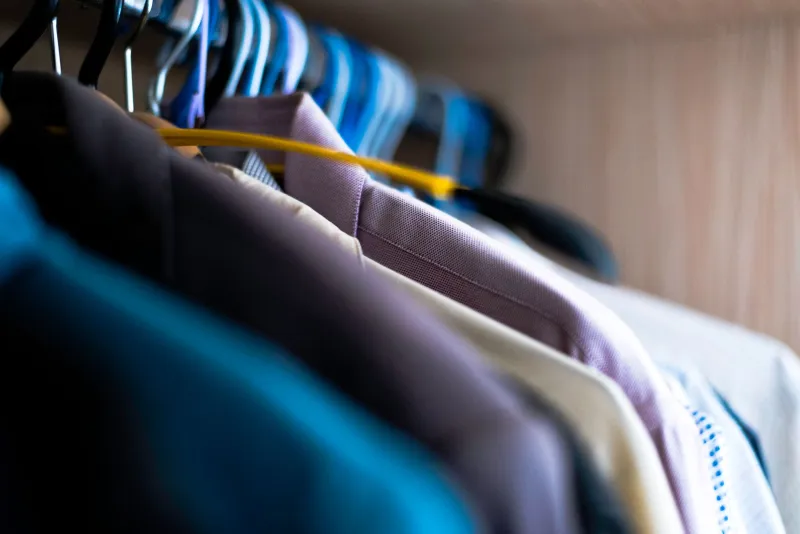
Your Stuff Already Knows Your Style — You Just Haven't Asked It
Most of us have a vague sense that we own too much. But "too much" is kind of a useless observation on its own. The more interesting question is: too much of what, exactly? Because somewhere in the clutter, there's a pattern. The things you keep going back to, the items you recommend to friends without even thinking, the pieces that somehow survive every purge — those are the items doing the real work. Everything else is basically a receipt for a lesson you paid for but never learned.
A closet audit sounds like a chore, and honestly, the first hour kind of is. But what you're really doing is reverse-engineering your own taste. You're figuring out who you actually are as a buyer, not who you imagined you'd be when you clicked "add to cart" at 11pm on a Tuesday.
The Three-Second Grab Test
Here's a simple way to start: stand in front of your closet, your pantry, your medicine cabinet — wherever you're doing this — and notice what you grab without thinking. Not what you plan to use. What you actually reach for when you're in a hurry, when you're tired, when you just want something that works.
Those are your anchors. The hoodie you've owned for four years that's still in the rotation. The one good knife in a drawer full of knives. The moisturizer that somehow outlasted twelve other moisturizers you bought trying to find something better. These items have earned their place, and they're telling you something specific: this is what actually fits your life.
Write them down. Seriously. Not in your head — physically write them down or drop them in a notes app. You're building a reference list, and you'll use it later.
The Dust Index: What's Been Sitting There Too Long
Now flip it. Look at what hasn't moved. The dress you bought for a wedding two years ago and haven't touched since. The kitchen gadget still in the box. The running shoes you got in a burst of January motivation. These aren't failures, exactly — they're just data points that didn't pan out the way you expected.
For each untouched item, ask yourself one honest question: Why did I buy this? Was it on sale? Did someone else have it? Did it look different in the photos? Did you buy it for a version of yourself you were hoping to become?
That last one is a big category. A lot of closets are full of aspirational purchases — things bought for a lifestyle that never quite materialized. The hiking gear for the trips that kept getting postponed. The formal wear for a social life that's actually pretty casual. The cooking equipment for elaborate meals you make twice a year, max. There's no shame in it; it's one of the most common shopping patterns in America. But recognizing it changes how you shop going forward.
What Your "Recommends" List Reveals
Here's a test that doesn't get talked about enough: think about the last five things you told someone else to buy. Not influencer-style promotion, just genuine word-of-mouth. The stuff you bring up unprompted in conversation because you actually believe in it.
Those items are the gold standard. They're not just things you use — they're things you trust enough to put your own credibility behind. That's a much higher bar than "I bought it and it's fine."
If you find yourself recommending the same brand of jeans, the same type of water bottle, the same brand of coffee — that's your real preference speaking. And your future self should shop accordingly, instead of getting distracted by whatever's trending or whatever a targeted ad decided you needed this week.
Building Your Personal Shopping Blueprint
Once you've got your anchors (things you reach for constantly), your dust pile (things that missed the mark), and your recommends list (things you'd stake your reputation on), you have the raw material for something genuinely useful: a personal shopping profile.
This isn't about being rigid or only ever buying the same things. It's about knowing your defaults well enough that you don't waste money on experiments that contradict everything you already know about yourself.
Some patterns worth looking for:
- Fit over style. If everything you actually wear prioritizes comfort and fit over trend-forward looks, stop buying things that look great on a model but feel awkward on you.
- Simplicity wins. If your most-used kitchen items are the simple ones, stop buying complicated gadgets that promise to do twelve things.
- Quality over quantity, but in specific categories. You might be totally fine with budget options in some areas and genuinely need the better version in others. Figure out which categories actually matter to you.
- Occasion mismatch. If you keep buying things for occasions that rarely happen in your actual life, recalibrate. Shop for who you are most days, not for the highlight reel.
Using the Audit Before You Buy, Not After
The real payoff of doing this exercise isn't just decluttering. It's changing how you shop in real time. Next time you're browsing — whether it's on DZY Shop or anywhere else — you've got a mental filter running in the background. Does this fit my anchors? Does it look suspiciously like something already gathering dust in my closet? Would I recommend this to someone I actually care about?
That filter won't make every purchase perfect. But it'll cut down significantly on the "why did I buy this" moments that pile up over time.
Online shopping is genuinely convenient. Having everything delivered to your door, being able to compare options without driving all over town — that's a real quality-of-life improvement. But convenience only works in your favor when you're buying things you'll actually use. Otherwise, you're just making it easier to accumulate stuff that ends up in the back of a shelf, waiting for an audit you haven't gotten around to yet.
One Last Thing to Check
Before you close the closet door, take one more look at the things you kept. Not the aspirational stuff, not the impulse buys — the real keepers. Notice what they have in common. Same color family? Similar materials? Practical over decorative? Simple over complicated?
That overlap is your taste. Actual, lived-in, proven-over-time taste. And it's more reliable than any algorithm, any trending product list, or any late-night scroll through a sale page.
Shop from that place, and you'll end up with a lot less stuff — and a lot more things you actually love.