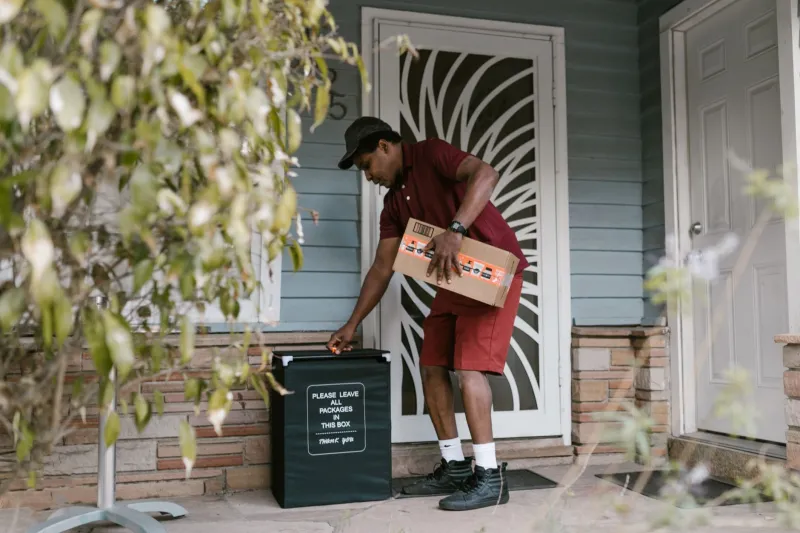
Why Your Package Arrives Three Days Early (Or a Week Late): The Truth Behind Delivery Estimates
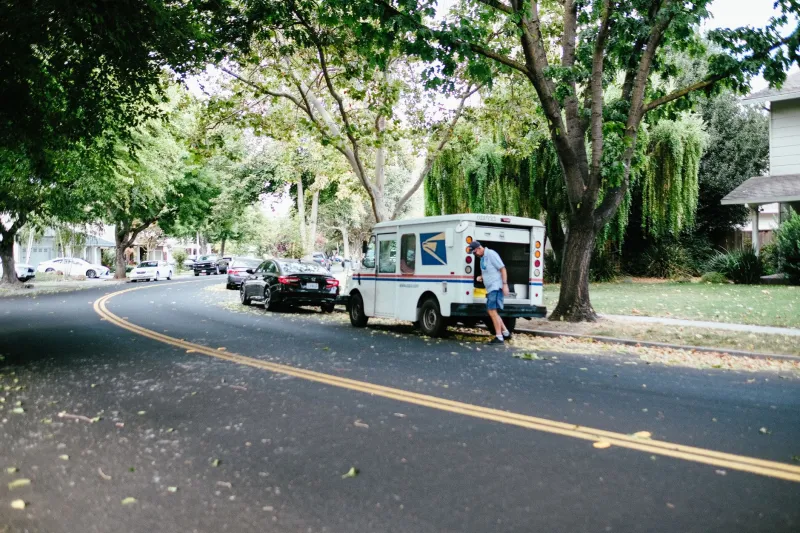
You've been there. You ordered something a full week before you needed it, watched the tracking page like a hawk, and still ended up opening the front door on the big day to find nothing but a neighbor's misdelivered Amazon box. Or maybe the opposite happened — you ordered something on a Tuesday afternoon, half-expecting it to take forever, and it showed up Wednesday morning before you'd even finished your coffee.
Delivery estimates feel random because, from the outside, they kind of are. But there's a whole system running underneath that confirmation email, and once you understand how it works, you can start making smarter decisions about when to order, what to expect, and how to plan around the things that actually matter in your life.
The Estimate Is a Starting Point, Not a Finish Line
When a retailer tells you your order will arrive between Thursday and Monday, they're not pulling that window out of thin air — but they're also not making a guarantee. That range is generated based on a combination of factors: warehouse processing time, the carrier's published transit standards, your distance from the fulfillment center, and historical performance data for your zip code.
The key word there is historical. Carriers use past performance to build future predictions. If packages to your area typically take two days, the system assumes yours will too. What it can't account for is everything happening right now — a storm rolling through the Midwest, a sorting facility running at 140% capacity, or a driver who's covering three routes because half the team called in sick.
So right out of the gate, you should treat any delivery window as an educated guess with a margin of error.
What Actually Slows a Package Down
There are a few culprits that consistently cause delays, and knowing them ahead of time takes a lot of the mystery out of the waiting game.
Carrier handoffs. Most online orders don't travel through a single carrier from start to finish. A package might leave the warehouse via FedEx, get handed to USPS for the final stretch through what's called a last-mile partnership, and then end up on a local mail carrier's truck. Every handoff is a potential pause point. When a package moves between systems, it can sit in a facility for 12 to 24 hours before the next leg of its journey even begins.
Seasonal volume spikes. The holiday season is the obvious one, but it's not the only crunch period. Back-to-school season in August, Valentine's Day week, and even big sale events like Black Friday can overwhelm carrier networks for days or weeks at a time. During these windows, even "priority" shipments can experience delays that no amount of tracking refreshing will fix.
Last-mile complications. The last mile — the final leg of delivery from a local facility to your actual door — is where most delays happen. It's also the hardest part of the process to predict. Rural addresses, apartment buildings with access restrictions, gated communities, and even just unusual street layouts can all add time. If your area has historically slow delivery, it's usually a last-mile issue, not a problem with the broader carrier network.
Weather and geography. This one's obvious, but worth saying: a blizzard in Denver affects packages heading to Phoenix if the routing goes through a Colorado hub. You don't have to be in the storm's path to feel its effects on your shipment.
Why Some Packages Arrive Suspiciously Early
Early deliveries are less common than late ones, but they happen — and they're worth understanding too. Carriers sometimes over-estimate transit times as a buffer, especially for longer distances. If the system builds in a cushion and everything goes smoothly, your package beats its own estimate.
Retailers also sometimes ship from multiple fulfillment locations. If the item you ordered happens to be in stock at a warehouse that's 200 miles from your house instead of the usual 1,500, it might arrive in one day even though the estimate said four. That's not a fluke — it's the system working exactly as intended, just more efficiently than expected.
How to Actually Plan Around Delivery Timing
Now for the practical stuff, because understanding the system only matters if it changes how you shop.
Order earlier than feels necessary. If you need something for a Saturday event, don't aim for Friday delivery. Order with enough buffer that a two-day delay doesn't ruin anything. The general rule of thumb: add two to three extra days to whatever window the retailer gives you, and treat the earlier end of that new range as your realistic arrival target.
Use ship-to-store or in-store pickup when timing is critical. Most major retailers — including plenty of brands you'd shop with us for — offer the option to pick up at a local store or partner location. When a package absolutely has to be there by a specific day, this eliminates the last-mile uncertainty entirely.
Track at the carrier level, not just through the retailer. Once your order ships, grab the carrier tracking number and monitor it directly through the carrier's website or app. Retailer-facing tracking often updates on a delay, while carrier-level tracking shows you real-time scans as the package moves through the network. You'll know about a delay hours before your order status page catches up.
Know your area's quirks. If you've noticed that packages consistently arrive a day later than estimated at your address, factor that into your planning every single time. Your delivery pattern is data. Use it.
Avoid ordering time-sensitive items during known crunch periods. If you need something specific in the first two weeks of December, order it in November. If you're shopping for a Valentine's Day gift, don't wait until February 10th and expect the standard window to hold. Carrier networks don't care about your occasion — they care about volume, and volume wins.
The Bigger Picture
Delivery estimates are a tool, not a contract. The carriers, warehouses, and routing systems that move your purchases across the country are genuinely impressive — millions of packages moving every single day — but they're also operating at a scale where individual shipments are always subject to the unpredictability of the real world.
The shoppers who get the least stressed about delivery timing are the ones who've stopped treating the estimate as a deadline and started treating it as a range to plan around. A little buffer, a little tracking awareness, and a realistic sense of when the system gets overwhelmed goes a long way toward making sure your purchases actually show up when you need them.
Shop smart, plan ahead, and give your packages a fighting chance.